
insulated glass units for sale
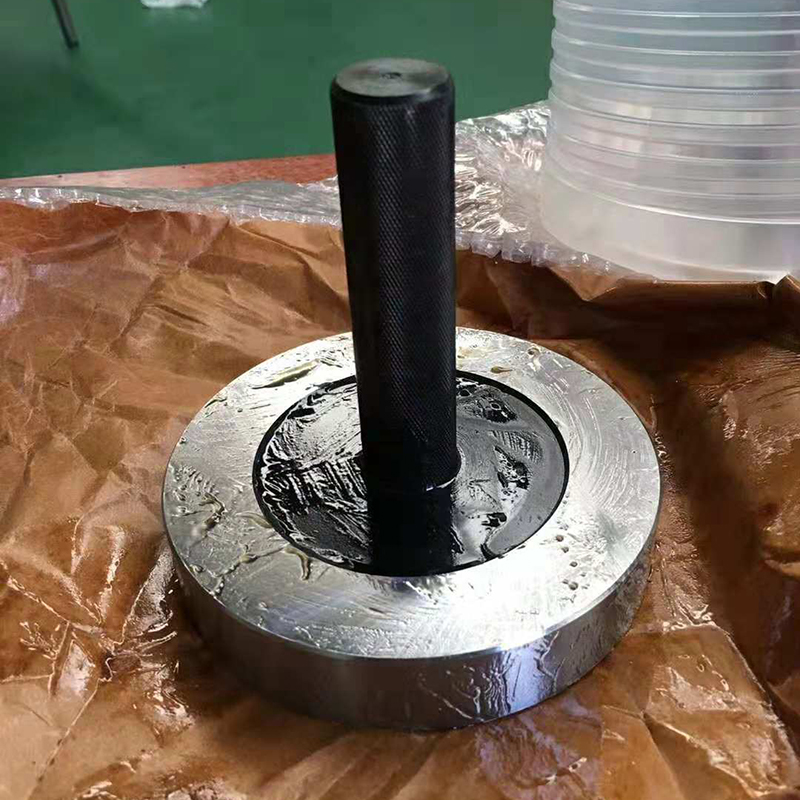
Understanding Metric Ring Gages A Detailed Overview In the realm of precision engineering, measurement plays a crucial role in ensuring the quality and accuracy of manufactured components. Among the various tools available for quality control, metric ring gages stand out as essential instruments for assessing the dimensional tolerances of cylindrical parts. This article delves into the significance of metric ring gages, their design, applications, and best practices for effective usage. What are Metric Ring Gages? Metric ring gages are precision measuring tools used to inspect the diameter of external cylindrical parts. They come in two primary types go and no-go gages. The go gage checks the minimum acceptable diameter, ensuring that the part can fit properly within a specified tolerance range. The no-go gage, on the other hand, verifies that the part does not exceed the maximum diameter specification. This dual approach allows manufacturers to maintain high standards of quality control by ensuring that components neither underperform due to being too small nor face issues due to being overly large. Design Features Metric ring gages are typically made from high-strength materials such as steel, carbide, or other durable alloys to withstand repeated use without significant wear. Their internal surfaces are ground to a high degree of precision, and they may also be subjected to heat treatment to enhance hardness and durability. The gages are calibrated to specific metric dimensions, making them suitable for international engineering applications. Common metric sizes typically fall within the range of 1mm to over 100mm, allowing for versatile usage across various industries. Applications The applications of metric ring gages are widespread and can be found in industries such as automotive, aerospace, manufacturing, and quality assurance laboratories. In the automotive sector, for example, they are critical for inspecting components like shafts, bearings, and gears, where precise fit is vital for performance and safety. In aerospace, where reliability is paramount, metric ring gages ensure that parts meet stringent quality standards. Moreover, these gages are valuable for assembly line processes where parts are frequently produced and measured. By implementing rigorous quality checks with metric ring gages, manufacturers can significantly reduce the risk of defects and improve overall production efficiency . metric ring gages Best Practices for Usage To maximize the effectiveness of metric ring gages, several best practices should be followed 1. Calibration Regular calibration of gages is essential to maintain accuracy. This should be done according to the manufacturer's recommendations or industry standards. 2. Cleaning Gages should be kept clean and free of contaminants. Dirt or machining residue can affect measurement accuracy, leading to potential misjudgments in part quality. 3. Storage Proper storage is crucial to prevent damage. Gages should be stored in protective cases and handled with care to avoid dropping or scratching them. 4. Training Ensure that personnel using the gages are adequately trained. Understanding how to use the tool correctly promotes effective measurements and reduces the likelihood of operator error. 5. Limitations Awareness Users should be aware of the limitations of metric ring gages, including temperature effects and material properties, which can influence measurement results. Conclusion Metric ring gages serve as indispensable tools in the field of precision measuring, playing a vital role in ensuring that manufactured components meet strict quality standards. By understanding their design, applications, and best practices for effective usage, manufacturers can enhance their measurement processes, leading to higher product quality and greater customer satisfaction. As technology continues to advance, the reliance on accurate and efficient measuring tools like metric ring gages will only grow, solidifying their importance in modern engineering and manufacturing.
about
insulated glass units for sale
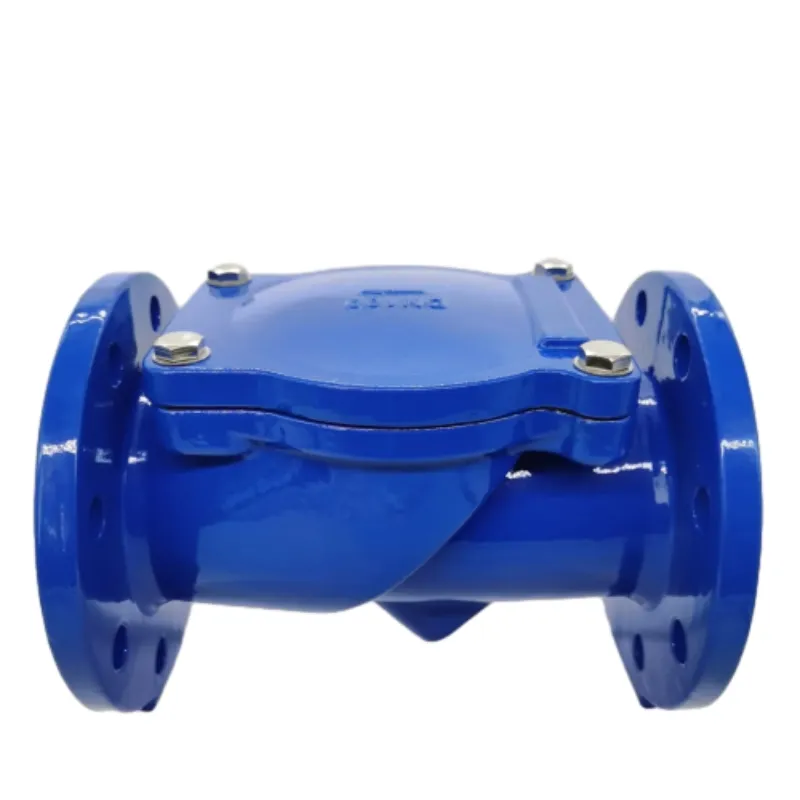
The Pricing Dynamics of 1.5-Inch Gate Valves Gate valves are essential components in various industrial applications, particularly in fluid control systems. Among the various sizes, the 1.5-inch gate valve has gained popularity due to its versatility and effectiveness. Understanding the pricing of these valves involves considering several factors, including material, design quality, brand reputation, and market demand. Material Composition and Its Impact on Price One of the primary factors influencing the price of a 1.5-inch gate valve is the material from which it is manufactured. Common materials used in gate valves include brass, stainless steel, cast iron, and PVC. Each material comes with its own set of advantages and cost implications. For instance, stainless steel valves tend to be more expensive due to their durability, corrosion resistance, and ability to withstand high pressures and temperatures. In contrast, PVC gate valves, while generally more affordable, may not provide the same level of performance in demanding applications. Manufacturers often offer options for different coatings and finishes, which can further affect the price. For example, a gate valve with a high-quality corrosion-resistant finish will likely cost more than a basic model. Customers need to balance the initial investment with long-term performance and maintenance costs when selecting the right material for their application. Design and Engineering The design of a 1.5-inch gate valve also plays a significant role in determining its cost. Valves that are engineered for high performance, efficiency, and low maintenance are usually priced higher than standard models. Advanced designs may include features such as enhanced sealing technology and improved flow characteristics, which justify a higher price point because they can lead to lower operational costs in the long run. Furthermore, the complexity of manufacturing processes can add to the overall cost of the valves. High precision in machining, quality control measures, and innovative manufacturing techniques may necessitate a higher price due to increased production costs. Therefore, it is often worth investing in quality designs for applications that require reliability and performance. 1.5 inch gate valve price Brand Reputation and Market Demand Brand reputation is another critical factor influencing the price of a 1.5-inch gate valve. Renowned manufacturers with a proven track record of producing high-quality valves often charge a premium. Buyers tend to be willing to pay more for trusted brands due to their assurance of quality, reliability, and after-sales support. Simultaneously, market demand fluctuates, and this can considerably affect pricing. During times of increased industrial activity, such as construction booms or expansions in manufacturing, the demand for gate valves rises, leading to potential price increases. Conversely, in slower economic periods, prices may stabilize or even drop as manufacturers compete for limited orders. Bulk Purchasing and Cost Negotiation For businesses and industries that require large quantities of 1.5-inch gate valves, bulk purchasing can often lead to significant savings. Many suppliers offer discounts for bulk orders, allowing companies to negotiate better pricing based on their volume needs. This practice not only reduces the cost per unit but also helps ensure a consistent supply, which can be crucial for ongoing projects. Conclusion In summary, the price of a 1.5-inch gate valve is influenced by various factors, including material composition, design, brand reputation, and market demand. Whether for residential plumbing, industrial applications, or municipal water systems, understanding these dynamics helps consumers and businesses make informed decisions. Investing in high-quality valves can yield cost savings and performance improvements over time, making the initial expense worthwhile. As with any industrial supply, it's essential to assess the specific needs of your application, consider the valve's lifecycle costs, and work with reputable suppliers to find the best solution. With the right approach, purchasing a 1.5-inch gate valve can be straightforward and beneficial, ensuring long-term efficiency and reliability in fluid control systems.
-

High quality industrial productsagement

High quality industrial products
View Details -

Meet the diverse needs of customers

Meet the diverse needs of customers
View Details -

Strict quality control

Strict quality control
View Details -

Top raw materials

Top raw materials
View Details -

Trusted supplier

Trusted supplier
View Details
Our application


news and information
Water Valves_ Choosing the Right Type for Your Needs
When it comes to managing your water supply, selecting the right water valves is paramount. From mai
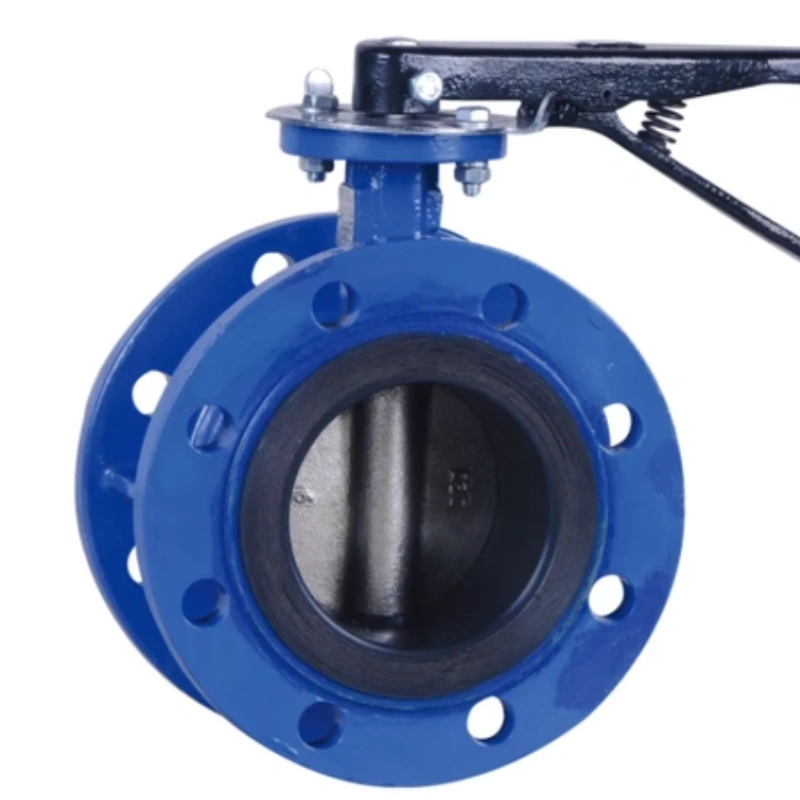
Water Flow Control Using Valve Mechanisms for Efficient Management
The Importance of Valve Water Management in Modern Industry In today's industrial landscape, effecti
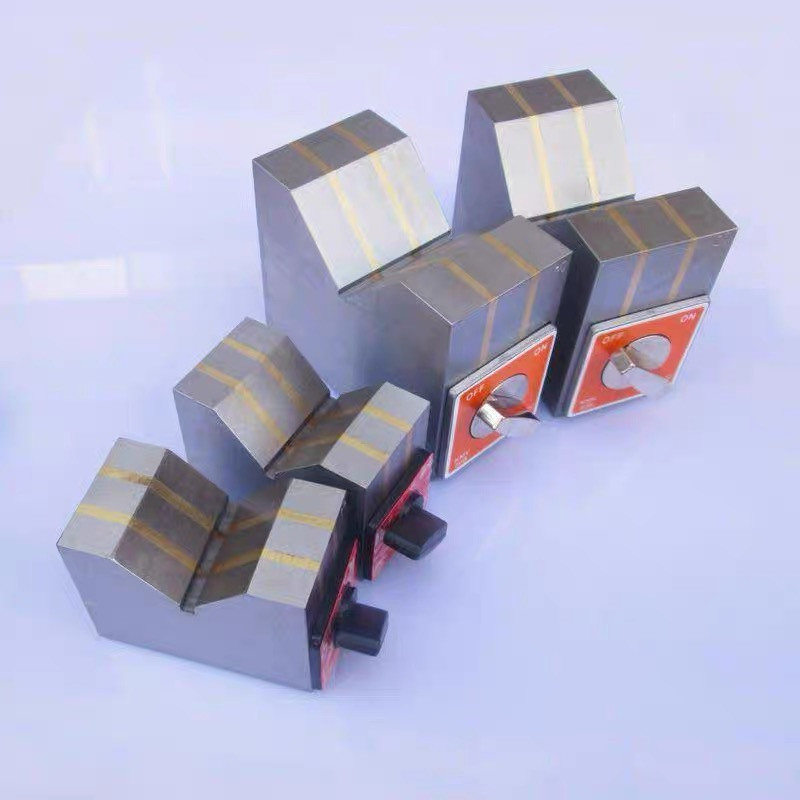
Why All Metal Valves Solutions Last Longer in Harsh Environments
In industrial applications where extreme temperatures, corrosive chemicals, and high pressures are c
 English